Early Signs You May Need Gum Disease Treatment in Ventura


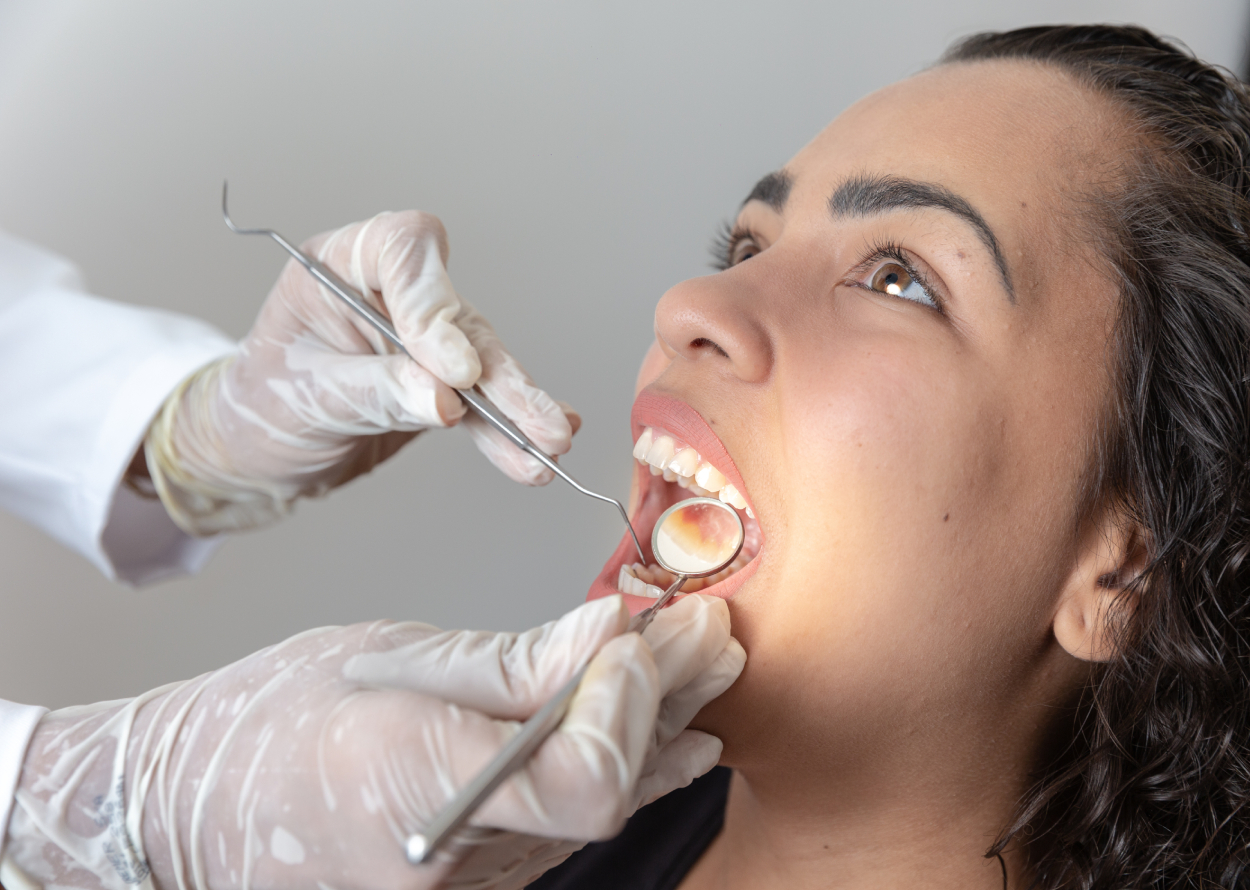
Most people do not wake up thinking about their gums. They notice a tooth that feels sensitive, a bit of blood in the sink, or a strange taste that does not go away. Then life gets busy, the symptom fades for a day or two, and the issue gets pushed aside. That is often how gum disease begins, quietly and without much pain.
The trouble is that early gum disease rarely announces itself with the kind of discomfort that sends someone straight to the dentist. It tends to be subtle at first. A little puffiness near the gumline. Breath that seems harder to freshen. Gums that look redder than usual in one area. By the time chewing feels uncomfortable or teeth begin to feel loose, the problem has usually moved beyond the earliest stage.
If you are wondering whether your symptoms are minor irritation or a sign that you may need Gum Disease Treatment in Ventura, it helps to know what to watch for and why timing matters. Gum disease is common, but it is not harmless. Left untreated, it can damage gum tissue, affect the bone that supports your teeth, and make otherwise healthy teeth harder to save.
Why gum disease is so easy to miss
In practice, one of the biggest challenges with periodontal disease is not diagnosis. It is delay. Patients often tell a similar story: “My gums bled sometimes, but I thought I was brushing too hard,” or “They were a little tender, but I did not think it was serious because nothing really hurt.”
That makes sense. The early stage of gum disease, gingivitis, is often more irritating than painful. The gums become inflamed because plaque and bacteria collect around the teeth and under the gumline. If this is caught early, treatment is usually more straightforward and the damage may be reversible. Once the infection progresses into periodontitis, the tissue and bone support around the teeth can begin to break down. At that point, the goal shifts from simple reversal to active management and preservation.
Ventura patients often have a few local factors working against them as well. Dry mouth from medications, stress-related clenching, smoking or vaping, and inconsistent professional cleanings all increase risk. Even people who brush every day can develop gum problems if they skip flossing, have crowded teeth, or have restorations that trap plaque more easily.
The earliest warning signs deserve attention
A healthy gumline is usually firm, light pink or coral in tone depending on your natural pigmentation, and it does not bleed easily. When that starts to change, your body is giving you useful information.
Here are some early signs that should not be ignored:
- Bleeding when brushing, flossing, or eating firmer foods
- Red, swollen, or shiny-looking gums
- Persistent bad breath or a sour taste in the mouth
- Gum tenderness, especially along the margin near the teeth
- Receding gums or teeth that appear slightly longer than before
None of these automatically means advanced disease. They do mean your gums are inflamed, and inflammation around the teeth should be evaluated before it deepens into a more serious problem.
Bleeding gums are common, but they are not normal
This is probably the most dismissed sign, and it is the one dental professionals wish people would take more seriously. Healthy gums do not usually bleed just because you flossed. If you see pink in the sink several times a week, that is not a sign to stop flossing. It is a sign that bacteria and inflammation are already present.
There are exceptions. A person who has not flossed in months may see some temporary bleeding when they restart good hygiene. Hormonal changes, certain medications, and even an ill-fitting oral appliance can also make gums more reactive. But recurring bleeding still deserves evaluation, especially if it has been going on for more than a week or two.
One practical detail matters here: where the blood shows up. Bleeding from one isolated area can point to a local issue, such as plaque buildup, food impaction, or a rough restoration edge. Generalized bleeding across many teeth often suggests broader inflammation and a greater chance that professional Gum Disease Treatment will be needed.
Redness and swelling can look minor at home
Inflamed gums do not always become dramatically enlarged. Sometimes they simply lose their normal shape. The little scalloped contour around each tooth starts to look puffy and rounded. The tissue may appear darker, redder, or smoother than usual, almost as if it has been stretched.
This is where routine familiarity helps. Patients who notice their mouths every day are often the first to spot that “something looks off.” A photograph can also be surprisingly useful. If your gumline looked different six months ago, that change matters.
A dental exam goes beyond the visual. A provider checks pocket depths around each tooth, looks for bleeding on probing, measures recession, and evaluates whether plaque has hardened into tartar below the gumline. That combination tells a much clearer story than appearance alone.
Bad breath that keeps returning may not be a hygiene issue
Everyone has morning breath. That is not the concern. The red flag is breath odor that returns quickly after brushing, or a persistent unpleasant taste that seems to come from the back teeth or gumline.
In many cases, this happens because bacteria collect in spaces that ordinary brushing does not reach well. Those bacteria release sulfur compounds that create strong odor. If the gums are inflamed and pockets are developing around the teeth, it becomes easier for that bacterial load to remain in place.
People often respond by buying stronger mouthwash, chewing gum more often, or brushing more aggressively. Those measures can mask the problem for an hour or two, but they do not remove hardened deposits or treat infected gum tissue. If bad breath has become a recurring frustration despite otherwise decent hygiene, gum disease belongs on the list of possibilities.
Receding gums are often gradual, then suddenly obvious
A person rarely notices one millimeter of recession as it happens. What they notice is that a tooth starts to look longer, or sensitivity develops near the gumline when drinking something cold. Sometimes it is picked up during a photo, especially if the front teeth are involved. Sometimes it becomes obvious only when food starts catching between teeth in a spot that used to feel tight.
Gum recession is not caused only by disease. Aggressive brushing, bite forces, grinding, and the natural shape of the bone can all play a role. But when recession appears alongside bleeding, inflammation, or deeper pockets, periodontal disease becomes a stronger concern.
This is one of those edge cases where self-diagnosis can be misleading. A person may assume they simply need a softer toothbrush, when what they actually need is an assessment of attachment loss, bone support, and whether active infection is present.
Tenderness, sensitivity, and a “different” feeling when chewing
Pain is not always part of early gum disease, but changes in comfort often are. Some patients describe a dull soreness when flossing. Others say one side of the mouth feels slightly pressured while chewing, even though they cannot point to a specific tooth. A few notice a tiny amount of movement that is hard to describe but impossible to ignore.
That matters because gum disease affects the structures around the teeth, not just the teeth themselves. As inflammation deepens, the ligament and supporting bone can be affected. You may not feel sharp tooth pain, but the bite can start to feel subtly off. A dental exam can determine whether the issue is periodontal, bite-related, or coming from another source such as decay or a cracked filling.
Risk factors that make early symptoms more important
Not everyone with occasional gum irritation has active periodontal disease. Context matters. If several risk factors are present, even modest symptoms deserve faster attention.
Smoking remains one of the biggest factors. It changes blood flow in the gums and can hide visible inflammation, which means disease may be more advanced than the mouth appears. Diabetes, especially if not well controlled, also raises risk and can slow healing. Dry mouth is another major contributor. Saliva helps protect the tissues, buffer acids, and wash away debris. When the mouth stays dry, bacteria gain an advantage.
Crowded teeth, old dental work with difficult-to-clean margins, and skipped cleanings also increase the chance that plaque has been sitting undisturbed below the gumline. Family history counts too. Some people are simply more susceptible to periodontal breakdown even with habits that look reasonable on paper.
This is why two patients can have similar brushing routines but very different periodontal health. Biology, anatomy, and medical history all shape the outcome.
What happens during an evaluation for Gum Disease Treatment in Ventura
Many patients put off the visit because they imagine something invasive from the start. A proper periodontal evaluation is usually methodical, not dramatic. The dentist or hygienist examines the gums visually, measures the pockets around the teeth, checks for bleeding points, evaluates gum recession, and may take dental X-rays to look at bone levels.
Pocket depth is one of the most important markers. A shallow sulcus around a healthy tooth is easier to keep clean. As gum disease advances, that space can deepen into a periodontal pocket, which becomes a protected environment for harmful bacteria. The deeper the pocket, the harder it is for home care alone to control the disease.
X-rays help show whether the infection has begun to affect bone support. That distinction matters because treatment for simple gingivitis is not the same as treatment for periodontitis. One may respond well to professional cleaning and improved home care. The other may require deeper cleaning below the gumline, more frequent periodontal maintenance, and closer monitoring over time.
Treatment is not one-size-fits-all
People often hear “deep cleaning” and assume every case is the same. It is not. Gum Disease Treatment depends on how far the disease has progressed, how many areas are involved, and how your tissue responds.
A mild case may need a professional cleaning, targeted hygiene instruction, and a shorter follow-up interval to make sure inflammation resolves. A more established case may require scaling and root planing, where bacterial deposits and tartar are removed from beneath the gumline and root surfaces are smoothed to help the tissue heal more closely to the teeth.
Some patients also benefit from localized antimicrobial therapy, bite adjustment if excess forces are contributing to breakdown, or referral to a periodontist if the case is advanced or surgery may be indicated. The best treatment plans are tailored, not rushed.
One practical truth from experience: success depends heavily on what happens after the appointment. Professional treatment can reduce bacterial burden and disrupt the disease process, but long-term stability usually requires consistent daily care and regular periodontal maintenance. Gum disease is manageable, yet it tends to return when follow-up slips.
Home care matters, but it has limits
People understandably want to know whether they can fix the problem themselves. If the issue is very early gingival inflammation from missed flossing and overdue cleaning, better daily care can help significantly. But once tartar has formed below the gums, a toothbrush cannot remove it. That is the key limit.
Brushing harder does not solve this. In fact, it can irritate tissue further and contribute to recession. What tends to work better is gentler and more precise care, along with a professional plan.
A sensible at-home routine usually includes the following:
- Brushing twice daily with a soft-bristled brush and careful gumline technique
- Cleaning between teeth every day with floss, picks, or interdental brushes as appropriate
- Using products recommended for your specific condition, especially if sensitivity is present
- Watching for changes in bleeding, odor, or gum shape over a two-week period
- Keeping follow-up appointments rather than waiting for symptoms to worsen
That routine supports treatment, but it does not replace diagnosis. If symptoms are persistent, self-care should be part of the response, not the entire response.
Ventura patients often ask when to stop watching and start booking
A good rule is this: if a symptom repeats, it deserves attention. One isolated episode of bleeding after snapping floss too hard is not the same as recurring bleeding from the same area every few days. A tender spot after eating tortilla chips is different from a gumline that stays puffy for two weeks.
Book an evaluation sooner rather than later if you notice ongoing bleeding, bad breath that does not improve, visible recession, tenderness around several https://caidennzpt322.opalvector.com/posts/gum-disease-treatment-and-maintenance-what-comes-next teeth, or any feeling that your bite or tooth stability has changed. If you have diabetes, smoke, or have not had a dental cleaning in quite a while, the threshold for getting checked should be even lower.
Patients are sometimes embarrassed to come in because they feel they should have addressed it earlier. That hesitation helps no one. Dental teams see this every day. Early treatment is almost always simpler, less costly, and more comfortable than waiting until the disease is advanced.
The cost of waiting is usually higher than people expect
The most obvious cost is biological. When infection damages the supporting bone around teeth, that structure does not simply grow back on its own in most situations. Once attachment loss occurs, the focus becomes control and preservation.
There is also the financial side. A relatively simple periodontal issue caught early may be handled with conservative therapy and close maintenance. A neglected case can lead to more intensive periodontal treatment, restorative complications, tooth loss, and eventually replacement options such as bridges, partial dentures, or implants. Those decisions carry both expense and time.
Then there is the comfort factor. Many people delay because they assume treatment will be unpleasant. In reality, delayed disease is usually what creates the more difficult treatment path. Early care is often less invasive than people fear.
A final practical perspective on noticing the signs
The mouth gives warnings long before a crisis. Bleeding gums, recurring odor, tenderness, and gum recession are not background noise. They are useful clues. Some turn out to be mild and easily corrected. Others point to a need for professional Gum Disease Treatment before more support is lost around the teeth.
If you are seeing these changes in your own mouth, the right next step is not panic. It is a careful periodontal evaluation. That single visit can clarify whether you are dealing with temporary irritation, early gingivitis, or a more advanced issue that needs active treatment.
For Ventura residents, catching gum disease early can make a meaningful difference in comfort, cost, and long-term dental health. Teeth often get the attention, but the gums are what hold the entire system together. When they start signaling trouble, listening early is almost always the better choice.
Avra Dental
Address: 1708 S Victoria Ave B, Ventura, CA 93003
Phone number: (805) 941-1001
FAQ About Gum Disease Treatment in Ventura
How to improve gum health quickly?
To improve gum health quickly, eliminate plaque buildup by brushing for two full minutes twice a day at a 45-degree angle to the gumline. Floss daily to clean under the gumline, and rinse with an antimicrobial, alcohol-free mouthwash. For immediate relief of soreness, use a warm saltwater rinse.
What is the fastest way to cure gum disease?
To quickly cure early-stage gum disease (gingivitis), eliminate the plaque buildup causing the inflammation. Brush gently but thoroughly for two minutes twice daily, floss daily, and use an antibacterial mouthwash or a warm saltwater rinse. However, if tartar has hardened, professional treatment is necessary.
How do I treat my gum disease at home?
You can treat early gum disease at home by practicing strict daily oral hygiene, rinsing with salt water or antibacterial mouthwash, and quitting smoking. True gum disease (especially advanced forms like periodontitis) cannot be fully cured at home once tartar forms, and you must see a dentist for professional cleanings.