How Dental Bonding Fits Into a Full Smile Makeover Plan
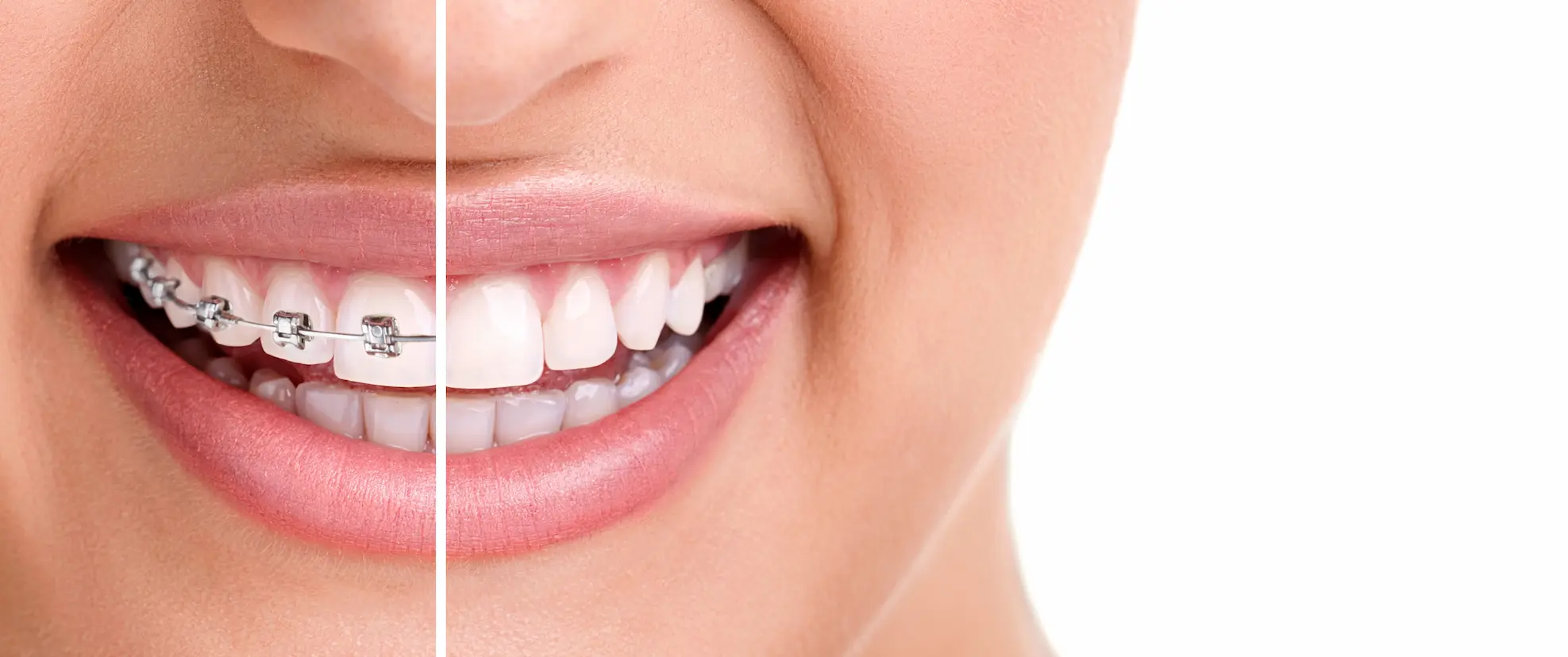

A full smile makeover rarely comes down to one procedure. Most attractive, believable results come from combining treatments with restraint, timing, and a clear sense of what matters most to the patient. Dental Bonding often plays a quiet but important role in that process. It is not always the star of the plan, and it should not be treated like a cure-all, but in the right hands and in the right case, it can solve very specific cosmetic problems quickly and conservatively.
That is what makes it so useful. A smile makeover is usually a mix of esthetics, function, and budget. Some patients want brighter teeth but do not need veneers. Others need orthodontic movement but also have chipped edges that will still need refinement once the teeth are straight. Some are preparing for larger restorative work and want to improve the front teeth without removing healthy enamel. Dental Bonding fits into those situations because it is adaptable. It can close a small gap, repair a worn corner, soften an uneven outline, mask a minor color issue, or help preview a larger design before more permanent treatment begins.
The key is understanding where bonding belongs, and where it does not.
The real purpose of a smile makeover
When people hear the phrase "smile makeover," they often picture a dramatic before-and-after case with ultra-white veneers and perfectly symmetrical teeth. In practice, the goal is usually more personal and much less theatrical. A good smile makeover should make the teeth look healthier, more harmonious, and better suited to the face. Sometimes that means major change. Often it means a series of small corrections that add up.
A patient may come in saying, "I hate my smile," but the underlying issues are usually specific. The teeth may be stained from years of coffee. One front tooth may be chipped. The gumline may be uneven. A few teeth may be crowded or flared. There may be old fillings visible when the person laughs. If you treat every one of those concerns with the same method, the result tends to look overdone or unstable. Better treatment planning separates the problem into parts and matches each one to the least invasive effective solution.
That is where Dental Bonding earns its place. It is often the procedure that handles the finishing work, the subtle corrections, or the conservative fixes that do not justify crowns or porcelain veneers.
What Dental Bonding actually does well
Bonding uses tooth-colored composite resin that is sculpted directly onto the tooth and then hardened, shaped, and polished. On paper, that sounds simple. Clinically, the difference between average bonding and excellent bonding is significant. Shade selection, moisture control, edge design, layering, surface texture, and polish all matter. When those details are handled well, bonded teeth can look remarkably natural.
Its best use is usually targeted refinement rather than total transformation. Small chips are a classic example. A patient may have one central incisor with a corner fracture from a childhood accident. The rest of the smile may be healthy and well aligned. Covering multiple teeth with porcelain just to repair that single edge would be excessive in many cases. Bonding can restore the contour and translucency while preserving almost all natural tooth structure.
It is also useful for reshaping peg laterals, closing narrow spaces, smoothing worn incisal edges, and balancing minor asymmetries between front teeth. In smile design conversations, those issues come up constantly. A smile may be ninety percent attractive, but one dark triangle or one short lateral incisor keeps drawing the eye. Bonding can handle that kind of problem elegantly.
There is another advantage that patients appreciate immediately: speed. Many bonding cases can be completed in a single visit, with little or no drilling and often no anesthesia. In a broader makeover plan, that efficiency matters.
Where bonding sits among other cosmetic options
The most successful smile makeovers usually combine methods. Whitening changes value and brightness. Orthodontics improves position. Gum contouring refines the frame around the teeth. Porcelain veneers or crowns address larger shape, color, or structural issues. Bonding fills the gaps between those categories.
It often works best in one of three roles. Sometimes it is the primary treatment because the cosmetic problem is modest. Sometimes it is the complement to another procedure, such as whitening or Invisalign. Sometimes it is the transitional step that lets a patient improve the smile now while postponing more extensive treatment.
Consider a patient in her early thirties with healthy teeth, mild lower crowding, two small chips on the front teeth, and generalized yellowing. A sensible plan might be orthodontic alignment first, then whitening, then selective bonding to restore the chipped edges once the teeth are in their final positions. In that case, bonding is not an afterthought. It is the detail work that turns "straighter and whiter" into polished and complete.
Now consider someone with multiple old fillings, severe discoloration, and enamel loss from grinding. Bonding may still play a role, but probably not as the main solution. Those cases often need a more durable restorative approach, possibly including porcelain or broader rehabilitation. Bonding helps most when the foundation is reasonably sound.
Why timing matters in the treatment sequence
One of the most common planning mistakes is doing bonding too early. The order of treatment can make the difference between a cohesive result and a patchwork one.
If teeth are going to be whitened, whitening usually comes first. Composite resin does not bleach the way natural enamel does, so bonding placed before whitening may end up mismatched once the natural teeth get brighter. It is much easier to match fresh bonding to the final shade of the teeth than to predict how existing bonding will look afterward.
If the teeth are being moved orthodontically, whether with braces or aligners, tooth position should generally be corrected before cosmetic edge bonding. A gap that looks ready to close with resin may disappear once the roots and crowns are properly aligned. Likewise, a chipped edge may need a different contour after rotation or leveling is complete. Restoring shape before movement can lead to unnecessary adjustments or replacement later.
If gum contouring is planned, that often needs to happen before final bonding as well. A tooth can look too short because of extra gum tissue, not because it actually lacks enamel. If you add bonding before redefining the gumline, the proportions may still look off.
In comprehensive cases, sequencing usually follows biology and stability first, then color, then position, then final refinement. Bonding usually belongs near the refinement stage.
The strongest reasons to include Dental Bonding in a makeover plan
When I have seen bonding used especially well, a few patterns tend to repeat:
- It corrects small but visible flaws that affect the whole smile.
- It preserves healthy tooth structure when more aggressive treatment is unnecessary.
- It helps blend different parts of a makeover into one natural-looking result.
- It gives patients a lower-cost path to visible improvement.
- It can serve as a trial run for shape changes before porcelain treatment.
That last point deserves more attention than it usually gets. For patients considering veneers, bonding can act as a functional mock-up. A clinician can add resin to lengthen edges, broaden narrow teeth, or close spaces temporarily so the patient can "test drive" the new proportions. Speech, lip support, and smile line can be evaluated in real life, not just on a screen or wax model. Sometimes patients love the preview and move forward with porcelain. Sometimes they realize they prefer a subtler change and keep the bonded look for years.
What bonding cannot hide forever
Every cosmetic material has limits, and bonding has clearer limits than many patients realize when they first ask about it. It is not the best answer for every stain, every alignment problem, or every bite issue.
Composite can stain over time, especially in patients who drink a lot of coffee, tea, or red wine, or who smoke. It can also chip or wear, particularly on incisal edges and in people who clench or grind. Well-done bonding is repairable, which is a major advantage, but it is not as stain resistant or as durable as porcelain in many situations.
There are esthetic limits too. Deep intrinsic discoloration may show through unless enough thickness of material can be added, and adding too much bulk to hide color can make teeth look unnatural. Large diastemas can sometimes be closed with bonding, but if the tooth proportions become too wide, the final result may look heavy. Significant crowding or rotations usually need orthodontics, not camouflage.
The bite also matters. A patient with edge-to-edge contact on the front teeth may chip beautifully sculpted bonding repeatedly if the occlusion is not addressed. That does not mean bonding should never be done. It means expectations and protective measures, such as a night guard, need to be part of the conversation.
The planning questions that shape the decision
A smile makeover should never start with, "Which cosmetic procedure do you want?" It should start with diagnosis. The best treatment planning conversations around bonding usually revolve around a short set of practical questions:
- What specifically bothers you when you look at your smile?
- Are the issues mainly color, shape, position, or wear?
- How long do you want the result to last before maintenance or replacement?
- How conservative do you want to be with natural tooth structure?
- What budget range feels realistic for you right now?
Those answers often reveal whether bonding is the ideal choice or simply the most familiar term the patient has heard online. Someone whose top concern is one small chip and one uneven edge is often an excellent bonding candidate. Someone who wants a dramatic change in tooth color and shape across eight front teeth may be happier with a different plan, especially if long-term stain resistance is a priority.
The budget conversation, honestly handled
Cost is not the only factor in treatment planning, but it is a real one. Bonding is often included in makeover plans because it can deliver noticeable improvement without the expense of porcelain restorations on multiple teeth. That makes it appealing to younger adults, patients with selective cosmetic concerns, and anyone trying to phase treatment over time.
Still, lower upfront cost should not be confused with zero maintenance. Bonding may need polishing, repair, or replacement sooner than ceramic restorations, depending on the location and the patient's habits. Over many years, repeated touch-ups can narrow the financial gap in some cases. That does not make bonding a poor choice. It simply means the decision should be made with a realistic time horizon.
A good way to frame it is this: bonding often offers the best value when the cosmetic problem is limited, the tooth structure is healthy, and the patient is comfortable with periodic upkeep. It is less compelling as a bargain substitute for treatment that really calls for a different material or a more stable correction.
Shade, texture, and the art that patients notice without naming
Patients often describe excellent cosmetic dentistry as "natural," but what they are responding to is usually a collection of technical details. Flat, monochromatic bonding is easy to spot. Natural front teeth have variation in brightness, translucency near the edges, surface texture that catches light subtly, and line angles that influence perceived width. Those are not academic concerns. They determine whether a repaired tooth disappears into the smile or announces itself every time the person talks.
In a full smile makeover, that becomes even more important because bonding may sit next to whitened enamel, natural enamel, or porcelain. The clinician has to unify those surfaces visually. If one lateral incisor has fresh composite and the adjacent central is natural but whitened, the polish and reflectivity must be close enough that the two teeth belong together. This is why same-day convenience should not tempt anyone to view bonding as a casual add-on. The result depends heavily on execution.
I have seen conservative cases where two tiny edge additions transformed the entire smile because they corrected symmetry and reflected light properly. I have also seen overbuilt bonding on the same type of teeth create a bulky, opaque look that made the smile seem less youthful than before. Small restorations can have big visual consequences.
When bonding is the better choice than veneers
There is a persistent assumption that veneers are automatically the premium option and bonding is merely the budget version. That is too simplistic. In some cases, bonding is the more responsible treatment.
If a patient has intact enamel, good color overall, and only minor shape discrepancies, removing tooth structure for veneers may be hard to justify. A narrow lateral incisor, a tiny gap, or a chipped edge can often be managed beautifully with bonding while preserving the natural tooth. For teenagers and young adults in particular, that conservative approach matters. Once enamel is permanently altered for more extensive restorations, the treatment path usually becomes lifelong.
That said, veneers may be the more predictable choice when larger color changes are needed, when multiple teeth need coordinated reshaping, or when long-term polish retention and stain resistance are top priorities. The point is not that one is superior in all cases. The point is that smile makeovers work best when each tooth gets what it needs, not when every tooth gets the same thing.
Maintenance after the makeover
Bonding rewards patients who treat it well. Maintenance advice is straightforward, but it deserves emphasis because post-treatment habits influence longevity more than many people expect.
Patients should avoid biting fingernails, chewing ice, tearing open packages with front teeth, or using the bonded edge like a tool. If they grind at night, a guard is often worth it. Regular hygiene visits matter because plaque accumulation and surface stain are more noticeable on cosmetic work. Polishing can refresh the appearance significantly. If a small chip happens, early repair is usually simpler and less visible than waiting until the damage spreads or the edge roughens further.
It also helps to normalize the idea of maintenance from the beginning. Hair color needs touch-ups. Orthodontic retainers need to be worn. Cosmetic dentistry is no different. Patients tend to be much happier when they understand that bonding is conservative precisely because it can be adjusted and repaired over time.
A few common makeover scenarios
To see how Dental Bonding fits into real treatment planning, it helps to picture a few typical situations.
A patient finishes aligner treatment and loves the new alignment, but the front teeth now reveal years of wear that were less obvious when the teeth were crowded. Bonding restores edge length and smooths small chips. The smile looks complete rather than merely straight.
Another patient whitens successfully but still has one discolored old filling and a mismatched corner repair on an upper central incisor. Replacing those with carefully matched bonding ties the whole smile together without expanding treatment to untouched teeth.
A third patient wants veneers because of a gap and slightly undersized lateral incisors. After examination, the enamel is excellent, the color is already attractive, and the bite is favorable. Additive bonding closes the space and improves tooth proportions conservatively. The patient gets the aesthetic change she wanted, but keeps her natural teeth largely intact.
These are not dramatic television makeovers. They are the kind of thoughtful decisions that often produce the most satisfying results.
The bigger picture
A full smile makeover is not a menu of cosmetic procedures. It is a design process rooted in diagnosis, material selection, and restraint. Dental Bonding belongs in that process because many smiles do not need aggressive intervention to look markedly better. They need precision. They need sequencing. They need a clinician who knows when a small, well-executed change is enough.
Used wisely, bonding can be the connective tissue https://maps.app.goo.gl/MqQDysdFPjTFPZwP7 of a makeover plan. It can refine the edges after orthodontics, harmonize teeth after whitening, preserve enamel when shape is the issue, and create a natural result that does not look "done." Its strength lies in targeted improvement, not overreach.
For patients considering a smile makeover, that is often the most reassuring part. The best cosmetic dentistry is not always the most invasive or the most expensive. Sometimes it is the treatment that solves the exact problem, leaves healthy tooth structure alone, and fits cleanly into a plan built for the long term. Dental Bonding, at its best, does exactly that.
Toothworks of Bakersfield, Dentist and Orthodontist
Address: 1030 H St #1, Bakersfield, CA 93304
Phone number: +16613239421
FAQ About Dental Bonding
How long does dental bonding last?
Dental bonding typically lasts between 3 and 10 years (averaging about 5 to 8 years) before it needs a touch-up or replacement. Its lifespan depends heavily on your daily habits, where the bonding is placed in your mouth, and how well you care for your teeth.
How expensive is bonding a tooth?
Dental bonding typically costs between $100 and $600 per tooth, with a national average of about $431 per tooth.
What are the downsides of dental bonding?
Dental bonding has several drawbacks, including lower durability, a shorter lifespan, and a tendency to stain compared to alternatives like porcelain veneers.