Periodontal Treatment and Preventive Care: The Perfect Partnership

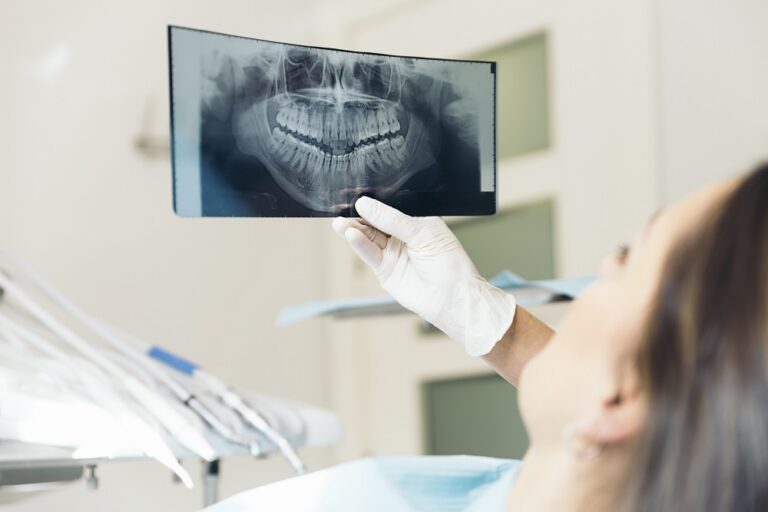
Healthy gums rarely get much attention until they start to hurt, bleed, or pull away from the teeth. That is one of the reasons periodontal disease can become serious before a patient realizes what is happening. Gum disease often begins quietly. A little bleeding during brushing is dismissed. Persistent bad breath gets blamed on coffee, stress, or a dry mouth. Mild tenderness comes and goes. By the time a person seeks help, the issue may have moved well beyond simple gingivitis.
That is where the relationship between periodontal treatment and preventive care becomes so important. One addresses active disease. The other reduces the odds that the disease will return, progress, or compromise the rest of the mouth. These are not separate tracks. They work best together, and in practice, one is rarely successful for long without the other.
Dentists and periodontists see this pattern every day. A patient commits to treatment, feels better, and assumes the hard part is over. Then regular maintenance slips. Home care gets rushed. Recall visits are postponed. A year later, the same pockets are deeper, the same teeth feel loose, and the same infection has found an opening again. On the other hand, patients who pair thorough care at home with consistent professional follow-up often keep their teeth and gums stable for years, even after a significant diagnosis.
Why gum health deserves more respect
The periodontium includes the tissues that support the teeth: the gums, the bone beneath them, the periodontal ligament, and the root surface where these structures attach. When plaque and bacteria collect at the gumline and below it, the body responds with inflammation. In the early stage, this may look like redness, swelling, and bleeding. At that point, the condition can still be reversible with professional cleaning and improved home care.
Once the inflammation leads to destruction of attachment and bone, the condition moves into periodontitis. At that stage, the conversation changes. Lost bone does not reliably grow back on its own. Deep pockets can harbor bacteria in places a toothbrush simply cannot reach. Teeth may shift, feel sensitive, or become mobile. A patient may still have little pain, which is why gum disease is often underestimated.
What surprises many people is how unevenly gum disease behaves. Two patients of the same age, with similar brushing habits, can show very different levels of breakdown. Genetics, smoking, diabetes, dry mouth, medications, stress, bite forces, and old dental work all influence risk. The result is that prevention cannot be generic. It has to be matched to the person in front of the clinician.
What periodontal treatment actually involves
People often hear the phrase Periodontal Treatment and think of one procedure. In reality, it covers a range of interventions chosen according to the severity of the disease, the anatomy of the mouth, and the patient’s ability to maintain the result.
For early to moderate disease, scaling and root planing is often the first line of care. This is a deep cleaning procedure that removes hardened deposits and bacterial biofilm from below the gumline and smooths the root surfaces. Done well, it is more precise and more involved than a routine cleaning. It may be completed over several visits, often with local anesthetic if the gums are tender or the deposits are heavy. Patients sometimes expect immediate cosmetic improvement, but the initial goal is biological, not cosmetic. The tissue needs a cleaner environment so inflammation can settle.
When pockets remain deep after non-surgical care, or when there are complex defects around certain teeth, surgical treatment may be recommended. That can include flap procedures for improved access, bone grafting in selected defects, guided tissue regeneration, or gum grafting to address recession and root exposure. These are not automatically necessary for every patient with periodontitis. Good judgment matters. Some mouths respond very well to careful non-surgical therapy and maintenance, while others need surgery to create a stable, maintainable result.
One detail patients appreciate once it is explained clearly is that treatment is not judged only by whether the gums look pinker a few weeks later. A meaningful response includes reduced bleeding, shallower probing depths, better attachment stability, and the ability for the patient to keep the area clean over time. A site that looks fine but remains deep and inaccessible is still a risk.
The limits of treatment without prevention
Treatment can remove infection and reduce inflammation, but it cannot make a mouth immune to future disease. That is where preventive care becomes more than advice handed out at the end of an appointment. It becomes the long-term strategy that protects the investment the patient has already made.
Think of periodontal therapy like repairing a leaking roof. The repair matters, but if drainage remains poor and maintenance never happens, the same problem often returns. The same is true for the mouth. Subgingival bacteria repopulate. Plaque hardens into calculus. Areas around molars, lower front teeth, bridges, crowded incisors, or implants trap debris more easily than smoother, more accessible surfaces. Without preventive habits, those areas become reservoirs for recurrence.
This is particularly true for patients who have already had attachment loss. Once someone has demonstrated susceptibility to periodontitis, they are no longer in the same risk category as someone who has never had it. That does not mean failure is inevitable. It means maintenance needs to be taken seriously and tailored carefully.
What preventive care looks like in real life
Preventive care is often reduced to a simple message: brush and floss. The message is correct but incomplete. The real question is whether the patient is cleaning effectively enough, often enough, in the places that matter most. Technique beats good intentions every time.
For one patient, prevention may mean switching from hurried horizontal scrubbing to a gentle angled brushing method along the gumline. For another, the biggest improvement comes from using interdental brushes instead of traditional floss because the spaces between the teeth are wider after periodontal breakdown. Someone with dexterity issues may do better with a powered toothbrush and a floss holder. A patient wearing orthodontic retainers or managing a fixed bridge may need a very specific routine that looks different from textbook advice.
The strongest prevention plans are practical, not idealized. A routine that sounds perfect but never gets done is not really a plan. Clinicians who work in periodontal care learn quickly that success often comes from small adjustments patients can sustain. Two extra minutes each night, used consistently and correctly, can change the trajectory of a case.
A sensible home routine usually includes the following:
- Thorough brushing twice daily with attention to the gumline
- Daily cleaning between the teeth with floss, interdental brushes, or another tool suited to the anatomy
- Use of any prescribed antimicrobial rinse or specialty product for a defined purpose and time
- Attention to smoking cessation, blood sugar control, and dry mouth management when relevant
- Keeping periodontal maintenance visits on the schedule recommended by the dental team
None of those measures is glamorous. All of them matter.
The role of periodontal maintenance visits
After active treatment, many patients assume they can simply return to a standard six-month cleaning schedule. Sometimes that is appropriate, but often it is not. Periodontal maintenance is different from routine prophylaxis. It is designed for patients with a history of periodontal disease and focuses on monitoring pocket depths, checking for bleeding, evaluating attachment stability, removing deposits from vulnerable sites, and reassessing risk factors over time.
Three-month intervals are common after active treatment, especially in the first year. That timing is not arbitrary. Bacterial repopulation below the gumline can occur relatively quickly, and shorter intervals help interrupt that cycle before deeper relapse develops. Some patients remain best served by three-month maintenance long term. Others may eventually move to four months, or occasionally longer, depending on stability, home care, and systemic health.
In practice, these visits often reveal subtle changes before the patient notices any symptoms. A single site that begins bleeding again, a pocket that deepens by a millimeter or two, or new plaque accumulation around a difficult crown margin can be addressed early. That is a far easier conversation than discussing another round of active treatment after broad deterioration.
Why prevention has to be personalized
A generic prevention plan ignores the fact that every mouth has its own architecture and every patient has distinct habits and risks. Consider a few common examples. The lower front teeth tend to accumulate calculus quickly because of saliva flow from nearby glands. Upper molars often have furcation areas, where roots divide, that are difficult to clean once periodontal support is reduced. Crowded lower incisors can trap plaque despite sincere brushing. Implant restorations require excellent plaque control but need tools and techniques that protect the implant surface.
Medical history matters just as much. A patient with well-controlled diabetes may heal predictably after periodontal treatment, while poorly controlled blood sugar can make inflammation harder to manage and recurrence more likely. Smoking changes the equation even further. Smokers can show less visible bleeding despite significant disease activity, which can make the tissues look deceptively calm. Healing after therapy is also less favorable in many smokers. That does not make treatment pointless, but it does mean the preventive side of the partnership becomes even more critical.
Pregnancy, menopause, certain heart medications, antidepressants, and drugs that reduce saliva can all influence gum health or oral hygiene challenges. Even stress has a role, indirectly and sometimes directly. People under chronic stress often clench, sleep poorly, snack more frequently, and neglect routines that once felt easy.
This is why the best periodontal care never stops at the procedure itself. It extends into coaching, monitoring, and adapting the preventive plan as life changes.
Common signs that should not be ignored
One of the most frustrating aspects of gum disease is how often early warning signs are minimized. Patients usually seek help when pain appears, yet pain is not a reliable early indicator of periodontitis. By then, support may already be compromised.
These signs deserve prompt evaluation:
- Bleeding during brushing, flossing, or eating
- Persistent bad breath or an unpleasant taste that does not resolve
- Swollen, tender, or receding gums
- Teeth that feel loose, shift position, or trap food in new ways
- A history of gum treatment followed by long gaps in maintenance care
A patient once described food packing between two back teeth as “just annoying.” On examination, that annoyance turned out to be a combination of bone loss, an open contact, and a pocket that had deepened enough to catch debris after nearly every meal. The lesson was simple. Small symptoms can point to larger structural changes.
The emotional side of periodontal care
There is also a human element that does not get enough attention. Patients with gum disease often feel embarrassed. They worry they caused it through neglect, or they fear judgment when they admit how long it has been since their last visit. Some feel discouraged after hearing words like bone loss or surgery. Others become overly optimistic once the bleeding stops and assume they are cured.
Neither shame nor false reassurance helps. Periodontal disease is influenced by behavior, yes, but also by anatomy, biology, medical status, and genetics. The productive approach is honest assessment paired with a realistic plan. When patients understand that the goal is control and stability, not perfection, they are usually more willing to commit.
Clinicians can make a major difference here by explaining findings clearly. Showing a patient where plaque accumulates, which pockets are improving, and which areas remain vulnerable turns prevention from a lecture into a shared strategy. That transparency builds trust, and trust improves follow-through.
When more treatment is not always better
A professional discussion about periodontal treatment should also acknowledge https://www.google.com/maps?cid=6886544599407677320 restraint. Not every deep pocket needs immediate surgery. Not every recession defect should be grafted. Not every inflamed site reflects active destructive disease. Sometimes the right move is to improve home care, remove a local plaque trap, adjust recall frequency, and reevaluate healing after a few months.
The reverse is also true. Delaying necessary care out of wishful thinking can cost a tooth that might have been saved. Distinguishing between those scenarios is one of the most valuable skills an experienced periodontist brings. The decision depends on pocket pattern, radiographic bone levels, mobility, furcation involvement, restorative plans, esthetic concerns, and patient goals.
For example, a shallow recession area on a premolar that is stable, clean, and symptom-free may need nothing more than monitoring and desensitizing toothpaste. A deep isolated defect behind a molar in a motivated, healthy patient might be an excellent candidate for regenerative treatment. A similar defect in a heavy smoker with inconsistent home care may be managed more conservatively because the predictability is lower. Good care is not about doing the most. It is about doing what is appropriate.
Periodontal health and restorative dentistry
Another reason preventive care matters so much is that gum stability affects nearly every other aspect of dentistry. Crowns, bridges, veneers, implants, and even straightforward fillings perform better in a healthy periodontal environment. Inflamed tissues bleed during impressions or digital scanning. Unstable gums alter margins and compromise esthetics. Ongoing bone loss can undermine teeth intended to support restorations.
Patients sometimes want to move quickly into cosmetic or restorative work before gum disease has been controlled. Understandably so. They want to chew comfortably and smile with confidence. But when periodontal treatment comes first, the result is usually stronger and more predictable. Restoration placed on top of active inflammation is a short-term win at best.
That sequencing matters with implants as well. Replacing a lost tooth does not erase periodontal risk. Patients who have lost teeth to periodontitis remain vulnerable to inflammatory problems around implants if biofilm control is poor. Preventive care does not become less important after tooth replacement. In many cases, it becomes even more important.
What long-term success really looks like
Success in periodontal care is often quieter than patients expect. It may not mean dramatic before-and-after photos. More often, it means no bleeding at routine checks, stable pocket readings, comfortable brushing, no progressive mobility, and radiographs that show support holding steady over time. It means a patient can eat, speak, smile, and maintain the result without constant emergencies.
That kind of outcome is built through repetition. Treatment reduces the existing burden of disease. Prevention lowers the chance of recurrence. Maintenance catches early changes before they become major setbacks. Each part supports the others.
The patients who do best usually stop thinking of periodontal care as a one-time event. They treat it the way people treat exercise after physical therapy or maintenance after a major home repair. The active problem may be addressed, but the habits that protect the result have to continue.
The partnership that makes the difference
Periodontal disease is rarely beaten by a single appointment, a single procedure, or a single lecture about flossing. It responds best to partnership. The clinician brings diagnosis, technical skill, judgment, and long-term monitoring. The patient brings daily follow-through, self-awareness, and a willingness to return before problems become obvious.
When that partnership works, the benefits reach far beyond cleaner teeth. Gums become more comfortable. Breath improves. Restorations last longer. Teeth feel more secure. Future treatment often becomes less invasive, less expensive, and less stressful.
Periodontal treatment and preventive care are often discussed separately, but in the real world they belong together. One manages the disease that is already present. The other protects the health that treatment makes possible. Put them side by side, and they become far more powerful than either could be alone.
Avra Dental
Address: 1708 S Victoria Ave B, Ventura, CA 93003
Phone number: (805) 941-1001
FAQ About Periodontal Treatment
Can a dentist get rid of periodontal disease?
A dentist or gum specialist (periodontist) cannot fully cure or reverse advanced periodontal disease (periodontitis), but they can successfully stop its progression and manage the infection.
Is periodontitis very serious?
Yes, periodontitis is a very serious, advanced form of gum disease that destroys the bone and tissues supporting your teeth.
How is stage 2 periodontal disease treated?
Stage 2 periodontal disease (early to moderate periodontitis) is primarily treated with non-surgical deep cleaning procedures like scaling and root planing to remove bacteria and tartar below the gumline.